Why Your Business Credit Score Matters, How To Calculate It & Its Long-Term Influence
If you’re a business owner, then you know how crucial credit history and score are in a company. Similar to people, businesses have credit scores that indicate their financial stability and borrowing capacity. However, many people tend to forget that credit history and scores are key to many benefits, overlooking their importance in the long term.
In the following article, we’ll explain why your business credit score matters and how it’s calculated, as well as discuss strategies to improve your business credit score. This way, you’ll guarantee your company’s financial stability and success.
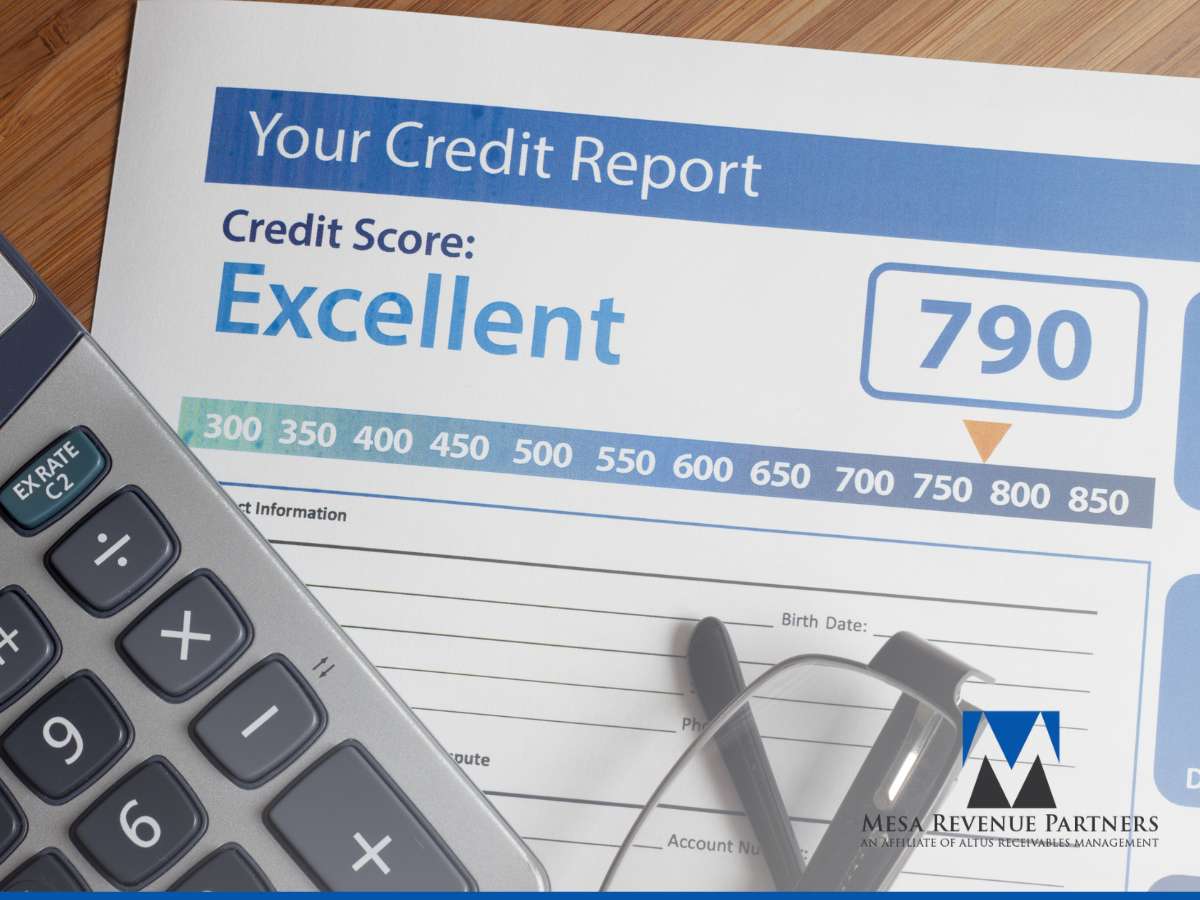
Why Business Credit History Is Key To Financial Success
Your business credit score is like a financial report card. Lenders, suppliers, and potential partners use it to assess your company’s risk. A good business credit history shows that your company manages debt well, pays on time, and handles borrowed funds responsibly.
Whether it’s to buy equipment, expand operations, or cover operational costs, businesses often need external funding. To access that funding, companies must prove they have good credit history to lenders. Lenders rely on credit history and score to determine if the company deserves the loans or lines of credit.
In short, a poor credit score limits your options and may give your company higher interest rates or loan denials.
Moreover, vendors often check your business credit before extending trade credit (buy now, pay later). They may negotiate better payment terms when seeing a strong credit score, increasing your cash flow flexibility.
If you’re seeking investment or collaboration, having a solid financial track record represented by a good credit score can boost your credibility. Investors are more likely to trust a business with a strong financial reputation, as it shows stability and lower risk.
Is business credit the same as personal credit?
No, and conflating them is the most common mistake. A business credit file sits with commercial bureaus and is tied to the company entity, its trade references and payment history with suppliers. A personal credit score belongs to an individual. A late commercial invoice generally affects the business file, not anyone consumer score, unless a personal guarantee was signed.
How Business Credit Scores Are Calculated: Key Factors To Know
Understanding how your business credit score is calculated can help you take steps to improve it. Unlike personal credit scores, which range from 300 to 850, business credit scores typically range from 0 to 100. The higher your score, the better.
Here are the primary factors that contribute to your business credit score:
- Payment History: This is the most important because it reflects how consistently you pay your bills, loans, and debts on time. Late or missed payments affect your score negatively, while a history of on-time payments boosts it.
- Credit Utilization: This refers to the ratio of how much credit you use compared to how much you have available. Using too much of your available credit can showcase financial strain.
- Length Of Credit History: The longer your business has been operating and responsibly using credit, the more it benefits your score.
- Types Of Credit Used: Having a mix of credit, such as loans, credit lines, and trade accounts, can show that your business can handle various financial responsibilities.
- Outstanding Debts: The total amount your business owes plays a role as well. High levels of debt can make lenders hesitant to extend more credit, as it suggests your business may struggle to repay new obligations.
- Public Records: Bankruptcies, tax liens, or legal judgments against your business significantly lower your credit score.
Who actually reports to business credit files?
Suppliers, lenders and trade creditors who choose to report, which is why commercial files are patchier than consumer ones. Many small suppliers never report at all. That gap is exactly why a business credit report should be read alongside your own payment experience rather than treated as complete on its own.
“Very professional, great communication, and transparent process.”
Jake Becker, 5-star Google review.
Strategies To Improve Your Business Credit Score
If your business is struggling with a low credit score, don’t panic—there are ways to improve it. Here are a few strategies:
- Establishing Credit History: For new companies or those without a strong credit history, it is essential to start creating one. This can be accomplished by establishing business credit accounts with suppliers who report to credit bureaus, using business credit cards responsibly, and ensuring that any loans or lines of credit are in the company’s name. Establishing credit early helps the company build a financial track record that demonstrates its ability to manage debt.
- Improving Payment History: The most efficient strategy to increase one’s credit score is to fulfill all financial commitments on time. Setting up payment reminders or automating payments can help you pay your bills, loans, and other financial obligations on time or early. Over time, a track record of timely payments will greatly improve your credit score.
- Managing Credit Usage: Keeping credit usage low shows creditors that you need to be more active with credit for operational needs. It is advised that the utilization ratio remains below 30%. This can be accomplished by paying down existing balances and using credit responsibly.
- Diversifying Credit Types: Having a variety of credit types, such as trade credit, credit cards, installment loans, and lines of credit, will improve your credit score. It demonstrates to lenders that you can handle multiple types of credit responsibly. However, you should only take on new credit when absolutely required and when you are sure of your ability to handle it.
- Handling Disputes & Inaccuracies: It’s critical to monitor your credit report on a regular basis for problems and dispute them as soon as possible. Inaccuracies might unfairly reduce your score and limit your ability to obtain credit. Engage with credit bureaus and creditors to correct inaccuracies and provide documents to back your claims.
What does a business credit report show that your own records do not?
Whether the customer is paying other suppliers while you wait. That single fact separates a genuine cash-flow problem from a customer who has decided you are last in the queue, and it changes how you escalate. It also confirms the correct legal entity and surfaces related companies, liens and judgments.
Should you check business credit before extending terms, or only when payment slips?
Before. Checking after the invoice is unpaid tells you what went wrong; checking before tells you whether to extend terms at all, and on what limit. For new accounts above a threshold you set, make the check a condition of opening the account rather than a reaction to trouble.
Partnering For Success: Mesa Revenue Partners Can Help
A strong business credit history is vital for long-term success. It not only affects your ability to secure loans and negotiate better terms with vendors but also plays a significant role in building trust with investors and partners.
By managing your credit responsibly, you can unlock new growth opportunities, improve cash flow, and maintain positive relationships across the board. On the flip side, neglecting your credit can limit expansion and strain important business connections.
If unpaid invoices or overdue accounts are impacting your cash flow and credit score, Mesa Revenue Partners can help. Our Mesa commercial collection team works diligently to recover your outstanding debts while preserving your business relationships. Contact us today to learn how we can help your business regain control of its finances and improve its financial outlook!
A Credit Check Before You Extend Terms: What To Look For
A short gate that prevents most bad debt, in the order worth checking:
- The exact legal entity. The trading name is often not the contracting party. Get the registered name before anything is signed.
- Time in business and filing history. A newly formed entity behind an established trading name is a flag worth asking about.
- Payment behaviour with other suppliers. Slow-paying everyone is different from slow-paying you.
- Liens, judgments and UCC filings. Existing secured creditors sit ahead of you if things go wrong.
- A credit limit you set in advance, in writing, with terms the customer acknowledges.
- A personal guarantee where the entity is thin and the balance is material.
If an account has already slipped past terms, a receivables aging review shows how far, and our guides to reading an AR aging report and the common pitfalls in collection cover what to do next. When internal follow-up has run out, you can place the account.
“We had a great experience working with this company. They were able to successfully recover money owed to us, and we truly appreciate their persistence and professionalism.”
Kristi White, 5-star Google review.

MESA REVENUE PARTNERS
Email: [email protected]
Website: www.mrpcollects.com
Mesa Location
1540 E University Dr #501
Mesa, AZ 85203
Office: 480-968-3181
Gilbert Location
1206 E Warner Rd #203
Gilbert, AZ 85296
Office: 480-389-2288
California Location
639 N Broadway #347
Los Angeles, CA 90012
Office: 213-418-1600
Colorado Location
360 S Garfield St #400
Denver, CO 80209
Office: 303-696-3910
New York Location
245-77 62nd Ave
Little Neck, NY 11362
Office: 917-934-3160
Florida Location
1965 Hilltop Blvd
Jacksonville, FL 32246
Office: 904-560-5160
Michigan Location
9322 Artesian St
Detroit, MI 48228
Office: 313-351-9150
Texas Location
7821 E Magnolia St
Houston, TX 77012
Office: 832-802-7430
Pennsylvania Location
1308 S Carlisle St,
Philadelphia, PA 19146
Office: 215-544-3951
Indiana Location
1128 Wade St
Indianapolis, IN 46203
Office: 463-205-0946
Tennessee Location
323 Highwood Ct,
Knoxville, TN 37920
Office: 615-205-5256